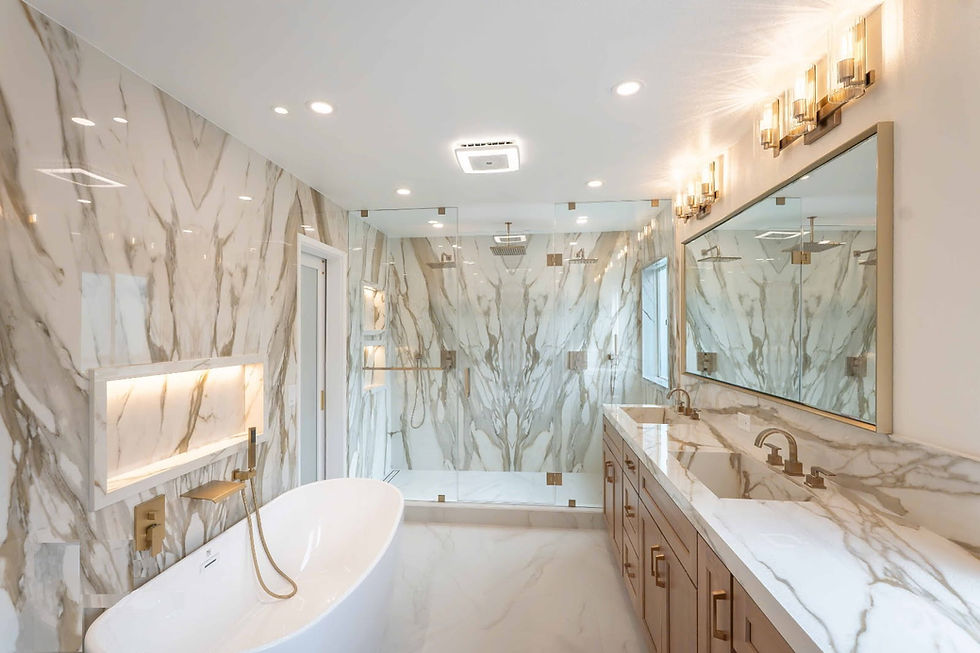
The Complete Homeowner Guide to Sintered Stone Slabs: Real Durability, Honest Answers, and Expert Advice

Sintered stone doesn't forgive bad planning. Your project's success depends on how well you can find information that will help your project go smoothly. Proper prior planning prevents poor performance. Prep work will set the right tone and pace for your kitchen countertop install to be ahead of schedule and save you from issues that can arise a couple of years down the line. If your kitchen cabinets are new, make sure plywood sub-tops are installed before calling stone fabricators over to take templates. If you are keeping your cabinets and just refinishing, make sure they are completely level all the way around. No matter which stone you choose, level cabinets ensure your countertop joint(s) stay intact and don't lead to hairline fractures down the road. Pick the wrong size, slabs without a fiberglass mesh backing, or skip getting a specialized fabricator, and you're looking at rough mitered edges and a surface that underperforms quartz countertops. Get it right, though, and you end up with the most heat-resistant, UV-stable, 100% natural-based, stain-proof surfaces available for residential and upscale commercial design.

Grand View Research reports that countertops accounted for 79.7% of total engineered stone demand, and sintered stone is claiming a growing share of that category. The National Association of REALTORS has even flagged sintered stone's "counter-splash" application (running the same slab from countertop up the wall) as a rising star trend in recent kitchens.
Below, you'll find a step-by-step framework for choosing, specifying, and installing sintered stone so the finished result actually lives up to the material's reputation.
Key Points & Specs
Manufacturers make sintered stone by compressing natural mineral powders under extreme pressure and firing them at temperatures exceeding 1,200°C, which fuses the particles at a molecular level without adhesives or resins and creates near-zero porosity.
The material handles a 500°F pan straight from the oven without scorching and will not discolor under direct UV light, making it ideal for outdoor kitchens where quartz yellows in sunlight over time.
Sintered stone is more brittle at exposed edges than quartz or granite, so a heavy cast-iron skillet dropped on a countertop edge can cause damage that is very difficult to fix, and chip repairs tend to remain semi-visible.
Most countertop applications use 12mm or 20mm slabs, while 6mm is common for wall cladding or backsplashes, and a 20mm slab handles undermount sinks and edge profiles with less risk of breakage.
To have the best outcome: Sintered Stone demands specialized diamond-tipped tooling and CNC cutting equipment that not every stone shop owns, and a fabricator who only works with granite or quartz may not have the right blades or experience to prevent cracking a slab during cutout, so keep calling. In Los Angeles, we are lucky to have some of the best fabricators who guarantee their work. Smaller markets might have limited access to the options we do.
What Is Sintered Stone And How Is It Made?
Sintered stone starts as a blend of natural mineral powders like silica, feldspar, and mineral oxides. Manufacturers compress those raw materials under extreme pressure, then fire them at high temperatures. That extreme heat and pressure fuse the particles at a molecular level without adhesives or resins. When sintered stone leaves the kiln, it naturally has a matte finish, also called a natural finish, and this is the most durable form- more forgiving. Some sintered stone colors Verona carries have a glazed finish (also called polished), but this process is done afterward to enhance the colors and depth of the surface. The result is a slab with near-zero porosity. Unlike quartz (which binds crushed stone with polymer resin) or natural granite (which has inherent pore structures), sintered stone resists liquid absorption almost entirely.
Why The Manufacturing Process Matters For Your Project
That resin-free composition is what gives sintered stone its headline features: it won't discolor under direct UV light, it handles a 500°F+ pan straight from your oven without scorching, and it shrugs off wine, coffee, and acidic cleaners. But the same density that makes the surface so hard also makes it more brittle at exposed edges than quartz or granite. We'll get into how you can manage that trade-off during installation.

Step 1: Decide where sintered stone actually makes sense
Sintered stone works beautifully in several applications, but it's not the right call everywhere.
Matching the material to the right location is the single biggest decision you'll make before spending a dollar. If you often have guests over or a big family that you like to cook/bake for, Sintered offers you peace of mind to use the hygienic surface to its full advantage. Sintered stone will never harbor bacteria, is indoor air quality certified, and is 100% natural-based. No VOC's emitted in the air you breathe or the food you prepare. If you have had granite before, you know how areas exposed to water for a prolonged period look. Putting the durability aside, does the look and finish work? If you'd like to see the slabs virtually, feel free to reach our Whatsapp at (818) 423-8216 for live slab photos in the LA warehouse.
Best applications for sintered stone
Kitchen countertops and backsplashes benefit from heat resistance and stain resistance, making this an obvious fit, while the counter-splash look eliminates grout lines and creates a clean, modern aesthetic.
Outdoor kitchens gain UV stability as a major advantage, since quartz and quartzite yellow in direct sunlight over time while sintered stone doesn't.
Bathroom vanities and shower walls feature near-zero porosity, which means no sealing, no water damage, and no mold risk in the material itself.
Fireplace surrounds can handle extreme temperature swings without cracking or discoloring.
Where is sintered stone not ideal?
High-impact zones deserve caution. A sintered stone floor in an entryway where heavy objects regularly drop (think mudrooms with tools, home gyms, garage entries) may chip more easily than concrete epoxy. And if your budget is tight, fabricating and installing the material may push you toward affordable quartz countertops that deliver comparable beauty at a lower total project cost.
Step 2: Compare sintered stone to the alternatives
You've probably looked at quartz, quartzite, and porcelain slabs already.
So how does sintered stone actually stack up? Here's where the honest differences land.
Property | Sintered Stone | Quartz | Quartzite | Porcelain Slab |
Heat Resistance | Excellent (high-temperature firing) | Moderate (resin can scorch) | Moderate (If Treated) | Good |
UV Stability | Excellent | Poor (yellows outdoors) | Poor (can discolor) | Good |
Stain Resistance | Excellent | Very Good | Moderate (needs sealing) | Excellent |
Edge Chip Risk | Moderate | Lowest | Moderate | Higher |
Repairability | Difficult | Moderate | Moderate | Difficult |
Outdoor Use | Ideal | Not recommended | Not recommended | Suitable |
Typical Installed Cost | $$$ | $ | $$$–$$$$ | $$ |
The chip-risk and repairability columns are where most people get surprised. Sintered stone is extremely hard on the surface, but that hardness comes with brittleness at thin or exposed edges. A heavy cast-iron skillet dropped on a countertop edge can cause damage that's very difficult to fix. Quartz is more forgiving in that scenario because the resin binder absorbs impact differently. If your priority is outdoor kitchens or sun-exposed areas, sintered stone wins clearly. For indoor kitchens where edge impact is more likely, and UV isn't a factor, the choice between sintered stone and quartz depends on how much you value heat resistance versus repairability. One Important detail to note: the look matters as well, but it shouldn't be the ultimate decision maker. Quartz has come a long way from its monochromatic looks to the natural and organic looks we see today, but sintered stone will always look more natural and have more dimension than quartz.
When comparing countertop materials side by side, that trade-off is the crux of the decision.
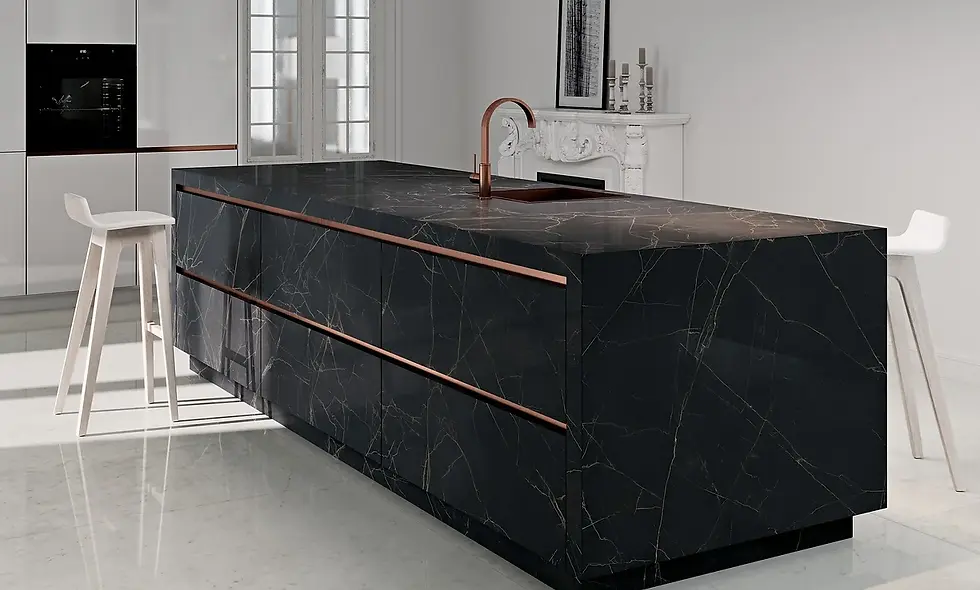
Sintered stone features and performance
Understanding what sintered stone can and cannot do helps you set realistic expectations before you commit to the material. Durability strengths: Sintered stone excels in scratch resistance, heat tolerance, and UV stability. You can set a hot pan directly on your surface without a trivet, and the color will hold up under years of direct sunlight. The near-zero porosity means liquids sit on the surface rather than soaking in, so wine, oil, and acidic foods wipe away without staining. Impact and edge vulnerability. The hardness that makes sintered stone scratch-resistant also makes it more prone to chipping at exposed edges. Dropping a heavy object on a corner or undermount sink cutout can cause visible damage. Repairs are possible but rarely 100% invisible, so your best strategy to prevent damage from dropped heavy objects/pans on sintered stone is: careful edge detailing, flush sink installs, and household awareness.
Maintenance Requirements For Sintered Stone Slabs
Daily cleaning requires only warm water and mild soap. You never need to seal sintered stone, and harsh chemicals won't damage your surface. The material resists bacterial growth because it has no pores for microbes to colonize, which makes it a strong choice for your food-prep areas.
Step 3: Choose Your Countertop Based On The Way You Function In The Kitchen
Specify thickness, finish, and slab size. Not all sintered stone slabs are interchangeable. Your fabricator needs clear specs before ordering, and getting them wrong means costly delays.
Thickness: Most countertop applications use 12mm or 20mm slabs. A 20mm slab handles undermount sinks and edge profiles with less risk of breakage. For wall cladding or backsplashes, 6mm is common and cuts material cost significantly.
Finish: Options typically range from polished (high gloss) to matte and textured. Polished finishes show fingerprints and water spots more readily but feel luxurious on a vanity. Matte and textured finishes work better for flooring and outdoor countertops where slip resistance matters.
Slab size: Large-format slabs (up to roughly 128" x 64") reduce seam count, which matters for that smooth counter-splash look.
Cost And Pricing Considerations
Sintered stone sits in the premium tier for countertop materials, and the total installed cost often surprises homeowners who focus only on the slab price.
Material cost: Expect to pay slightly more than quartz per square foot for the slab itself if you go with the 20MM thick option, depending on the brand, finish, and thickness you select. Exotic patterns and large-format slabs push the price higher. Carved 3D or Silk 3D vein patterns also add a minimal cost to the slab since they are new technology that mimics the fractures found in natural quartzite.
Fabrication and installation pricing:
Fabricating and installing the material can add significant cost depending on your location and how complex your layout is. The specialized tooling and handling requirements mean you'll pay more than you would for quartz or granite. 12MM thick slabs offer the best medium in that is versatile in both cost for cutting, since it wears out fabricators' blades less vs. a 20MM thick slab, and lower's slab cost.
Hidden costs you might not be told are in the bid:
Transport fees for large slabs, reinforcing overhangs, and thicker slabs can add hundreds to your final invoice. Ask your fabricator for an itemized quote that includes every step from template to cleanup. Waterfall edges add labor cost as well, typically ranging from $350+ on each side.
Where to save without compromising quality:
Choose a simpler edge profile, limit how many cutouts you need, and use 12mm thickness where structural demands allow. Reducing slab size by planning seams strategically can also lower material waste and cost.
Step 4: Find the right fabricator and installer
This is where most sintered stone projects succeed or fail.
The material demands specialized diamond-tipped tooling and CNC cutting equipment that not every stone shop owns.
Questions to ask before you hire
How many sintered stone projects have you completed in the last year?
What cutting and finishing equipment do you use for sintered stone specifically?
Do you carry installer certification from any sintered stone manufacturer?
How do you handle seam placement, and can I approve the layout before cutting?
What's your warranty on fabrication defects versus material defects?
Have you worked with porcelain slabs before, and how did that turn out?
Do you offer any guarantees if the material gets damaged while in your shop?
Does your fab shop follow OSHA guidelines for water cutting & polishing?
A fabricator who only works with granite or quartz may not have the right blades or experience. Sintered stone cuts differently, and an inexperienced installer can crack a slab during cutout for your cooktop. Sintered and porcelain slabs take longer to cut (especially if you want to have clean miters). We see this happen often enough that we'd rather you delay a project than rush into hiring the cheapest bid.
Verona Quartz Surfaces works with advanced porcelain slabs and sintered stone collections sourced from Italian manufacturers. If you're in the Los Angeles area and want to see sintered stone options in person, visiting a distributor who specializes in these materials is far more useful than ordering samples online.
Step 5: Plan for maintenance and long-term care
Day-to-day care is simple. Warm water and a mild soap handle most cleaning.
You don't need sealants (ever), and your surface won't harbor bacteria in microscopic pores the way granite can. But here's the honest caveat: if you chip an edge or crack a section, your repair options are limited. Unlike quartz, where a skilled technician can often fill and polish small chips to near-invisible, sintered stone chip repairs tend to remain visible. Preventing damage matters more with this material than with almost any countertop material you could choose.
Preventing Edge Damage
Rounded or eased edge profiles reduce chip risk compared to sharp mitered edges.
If you love the look of a waterfall island with a mitered corner, ask your fabricator about reinforcing the joint. Other than edge finish, you can also install undermount sinks with a flush mount, also called a positive reveal, to limit heavy pots from clipping the stone while washing. And consider how your household actually uses the kitchen: families with young kids who drag bar stools into counter edges may want quartz on the island and sintered stone on the perimeter counters where impact is less likely.

Sintered Stone Pros And Cons
Before you commit to sintered stone, weigh the material's strengths against its limitations so you know exactly what you're getting.
Advantages
Sintered stone resists heat better than quartz and won't yellow under UV exposure the way resin-based surfaces do. You can place hot cookware directly on your surface, and the color stays true even in outdoor installations. The material also resists scratches, stains, and bacteria because it has no pores for liquids or microbes to penetrate.
Disadvantages
The material also requires specialized cutting equipment and experienced fabricators, which raises both cost and risk if you hire the wrong shop. Finally, sintered stone typically costs more per square foot installed than quartz or granite.
Common uses for sintered stone in your home
Sintered stone works best where heat, UV exposure, or moisture would degrade other materials.
Kitchen countertops and islands
The heat resistance makes sintered stone ideal for cooking zones where you set hot pans down frequently. The counter-splash application (running the same slab from counter to wall) eliminates grout lines and creates a seamless look that's easy to clean.
Outdoor kitchens and bar tops
UV stability is where sintered stone pulls ahead of quartz. The material won't fade or yellow under direct sunlight, so your outdoor counters and grilling stations stay looking new for years.
Bathroom vanities and shower walls
The near-zero porosity means water can't penetrate your surface, so you never need to seal it and mold can't colonize the material itself. Sintered stone also resists soap scum and hard-water stains better than natural stone.
Fireplace surrounds
The material handles extreme temperature swings without cracking or discoloring, making it a strong choice for gas or wood-burning fireplaces where other surfaces might scorch or fade.
Frequently asked questions
What is the downside of sintered stone?
The biggest downside is that it can be less forgiving at exposed edges, where impact can lead to chips that are difficult to make invisible. It also requires experienced fabrication and installation, which can raise the risk and cost if you hire the wrong shop.
Which is better, quartz or sintered stone?
Neither is universally better; it depends on what you prioritize in your space. Sintered stone is the stronger choice for sun exposure and high-heat use, while quartz can be a smarter pick when you want a more impact-tolerant surface and easier cosmetic repairs.
How long does sintered stone last?
In normal residential use, sintered stone is designed to last for decades because it resists heat, UV, and staining. How long it actually lasts often comes down to whether you protect the edges and whether your slab is properly supported and installed.
What edge detail should I choose to reduce chipping without sacrificing a modern look?
Ask for an eased edge rather than a sharp, squared profile; it keeps the look clean while reducing impact vulnerability at corners. If you want a waterfall or mitered look, discuss internal reinforcement and protective corner strategies with your fabricator.
What should I confirm about substrate and support before installing sintered stone over an island or long span?
Confirm your cabinet tops are flat, rigid, and properly shimmed, and that your installer has engineered overhangs and cutouts for the slab thickness you selected. Also verify the installer's plan for supporting the slab around sinks and cooktops, since weak support is a common cause of stress cracks later.
How do I evaluate slab consistency and finish quality before I approve the final layout and seam placement?
View the exact slabs in person when possible and inspect color movement, pattern direction, and finish uniformity under real lighting. Then request a digital or taped layout showing seam locations, vein matching, and cutouts so you can approve the visual flow before any cutting begins.
Choosing sintered stone with confidence
Sintered stone delivers exceptional performance when you match it to the right application and execute the installation correctly. The material's heat resistance, UV stability, and stain resistance make it ideal for outdoor kitchens, high-heat cooking zones, and sun-exposed surfaces where quartz and other engineered materials fall short.
But those same properties come with trade-offs. The brittleness at exposed edges means you need to plan your edge profiles carefully, choose a fabricator with proven sintered stone experience, and set realistic expectations about reparability. If your household includes heavy kitchen use or young children, consider placing sintered stone on perimeter counters and using quartz on high-impact islands.
Before you commit, review the comparison table in Step 2 and weigh your priorities. If outdoor durability and heat tolerance matter most, sintered stone is the clear winner. If budget flexibility and easier repairs rank higher, quartz may serve you better. Either way, visit a showroom to see the slabs in person and confirm your fabricator has the specialized equipment and experience the material demands.
Ready To See Sintered Stone In Person And Take A Sample Home To Test It For Yourself?
Ready to see sintered stone slabs in person? Verona Quartz Surfaces carries an extensive collection of Italian sintered stone and porcelain options at their Los Angeles showroom. Walk in, feel the finishes, and talk through your project with a team that handles these materials daily.